
New Space Economy: Growth Drivers, Commercial Trends and Global Expansion
Author: SEAC – Space Economy Academy
New Space Economy refers to the transformation of the space sector into a commercially driven, innovation-led, and globally interconnected market. What was once dominated by government agencies has evolved into a dynamic ecosystem where private companies, investors, startups, and emerging nations all play a critical role.
This transformation is not only technological but economic and strategic. The modern space sector now supports industries far beyond aerospace, including telecommunications, climate services, logistics, agriculture, finance, and digital infrastructure. Space is no longer isolated—it is embedded in the global economy.
Today, the expansion of the New Space Economy is being driven by real demand on Earth. Connectivity, sustainability, resilience, and data-driven decision-making are pushing space technologies into everyday applications. This shift marks one of the most important economic transitions of the 21st century.
Definition: The New Space Economy is the evolution of the space sector into a commercially active, globally distributed ecosystem where public and private actors generate value through space technologies, services, and data.
What Is Driving the New Space Economy?
The growth of the New Space Economy is shaped by a combination of technological innovation, capital investment, policy evolution, and increasing demand for space-enabled services. These drivers are not isolated—they reinforce each other and accelerate market expansion.
One of the most comprehensive breakdowns of these forces can be found in this analysis of top drivers in space economics, which highlights how structural factors are shaping the future of the industry.
Understanding these drivers is essential because they explain why the sector is growing faster, attracting more investment, and becoming more relevant to governments and businesses worldwide.
Commercialization: The Core Shift of the Space Sector
Commercialization is the defining feature of the New Space Economy. In the past, governments controlled most space activities, from funding to execution. Today, private companies are leading innovation, building infrastructure, and delivering services directly to customers.
This shift has introduced new business models focused on scalability, efficiency, and customer value. Companies are no longer just building satellites—they are providing connectivity, analytics, intelligence, and operational solutions.
The result is a more competitive and dynamic ecosystem where speed, innovation, and market alignment determine success.
Understand the New Space Economy in Depth
The modern space sector is not just about technology—it is about business models, investment, and global strategy.
SEAC’s Space Economy Course helps you understand how the industry works and where the real opportunities are emerging.
Globalization and Market Expansion
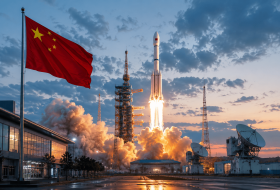
The New Space Economy is becoming increasingly global. More countries are entering the sector, not necessarily to replicate traditional space powers, but to develop targeted capabilities aligned with national priorities.
Emerging economies are leveraging space for connectivity, environmental monitoring, disaster management, and digital development. This creates a more distributed and inclusive global market.
At the same time, international collaboration is expanding through partnerships, joint missions, and shared infrastructure. However, competition is also intensifying, particularly in areas such as technology leadership, talent, and strategic autonomy.
Key Growth Drivers of the New Space Economy
The expansion of the sector is supported by several structural drivers. These include increasing demand for satellite data, lower launch costs, stronger private investment, and the integration of space technologies into everyday applications.
For a deeper breakdown, explore the full list of growth drivers in space economics, which explains how each factor contributes to long-term market development.
These drivers are important because they determine where value is created, where capital flows, and which segments of the market will grow fastest.
Key insight: The New Space Economy grows fastest when space technologies are translated into real-world solutions such as connectivity, climate intelligence, and data-driven decision-making.
Integration with the Global Economy
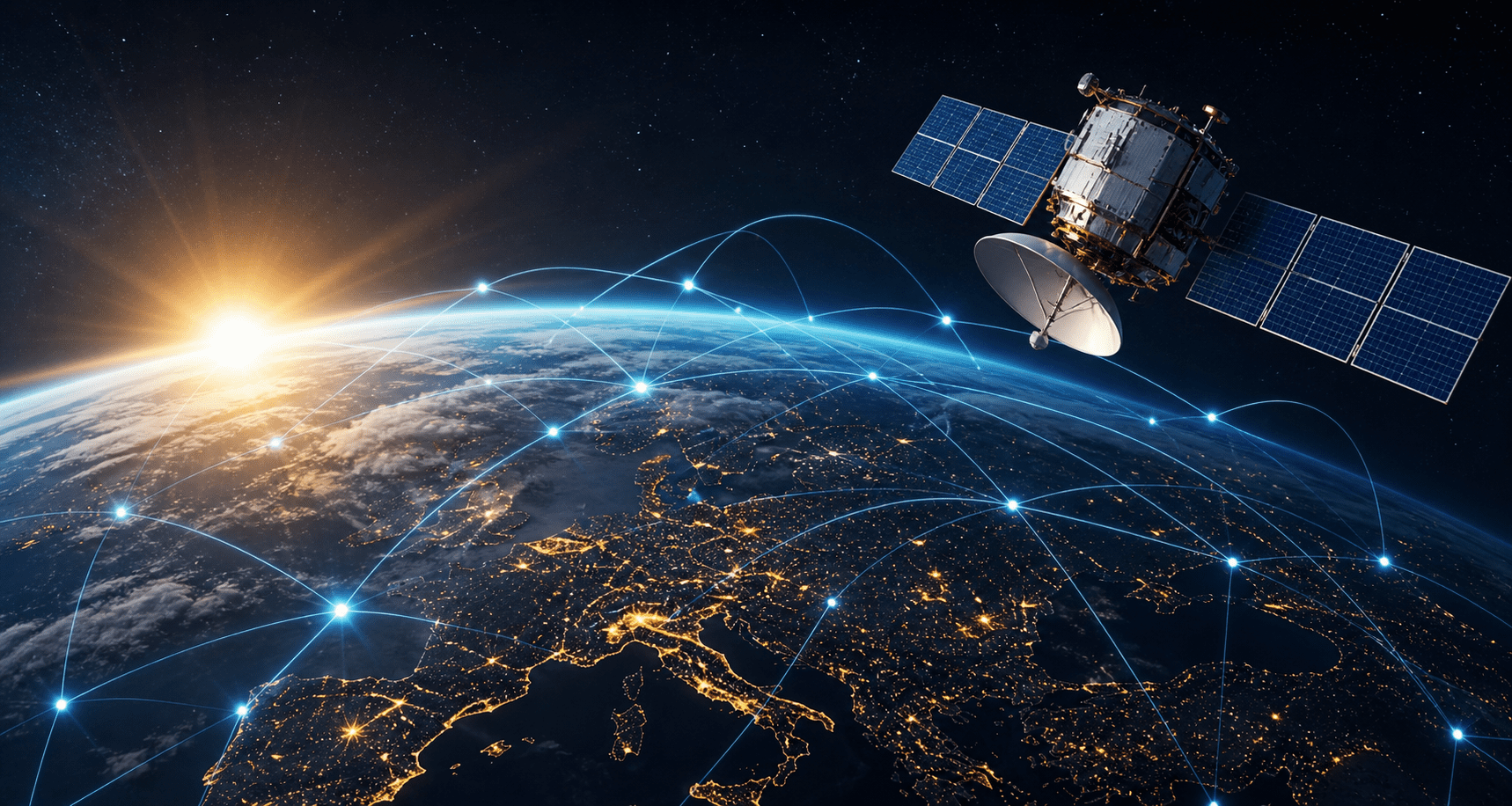
The most important transformation is that space is no longer a standalone sector. It is now integrated into the broader economy, supporting industries such as agriculture, logistics, finance, energy, and telecommunications.
This integration increases the resilience and relevance of the market. When space technologies support critical infrastructure and economic systems, their value becomes long-term and scalable.
As a result, the New Space Economy is increasingly seen as a foundational layer of the digital economy.
Policy, Investment and Strategic Importance
Governments continue to play a crucial role by shaping policy, regulation, and investment frameworks. While the sector is more commercial, public institutions still provide direction, stability, and long-term vision.
Investment is another key factor. Venture capital, institutional funding, and public-private partnerships are accelerating innovation and enabling new business models.
This combination of policy support and private capital is what allows the New Space Economy to scale globally.
Build Your Career in the New Space Economy
The future of space belongs to professionals who understand both technology and business.
The SEAC Space Economy Course helps you identify opportunities and understand the full value chain.
Conclusion: A Strategic and Expanding Market
New Space Economy is redefining how space contributes to global development. It is no longer limited to exploration—it is a commercially active, globally relevant, and economically integrated sector.
The real significance lies in its impact on Earth. From connectivity to sustainability, space technologies are becoming essential tools for modern economies. As the sector continues to evolve, its role will only become more strategic.
Frequently Asked Questions About the New Space Economy
What is the New Space Economy?
The New Space Economy is the commercialization and globalization of the space sector, where private companies, governments, and new actors create economic value through space technologies and services.
Why is the New Space Economy growing so fast?
It is growing due to lower launch costs, increased investment, technological innovation, and rising demand for satellite-based services such as connectivity and data analytics.
What industries benefit from the New Space Economy?
Industries such as agriculture, logistics, telecommunications, finance, energy, and climate services benefit from space-enabled data and infrastructure.
Is the New Space Economy only about satellites?
No. It includes launch systems, data services, analytics, downstream applications, and emerging segments like space logistics and in-orbit services.
What skills are needed to work in the New Space Economy?
The sector requires a mix of technical, business, policy, and data skills, including engineering, analytics, strategy, law, and investment expertise.
How do growth drivers impact the space market?
Growth drivers such as investment, demand for data, and technological innovation determine where value is created and which segments expand fastest.